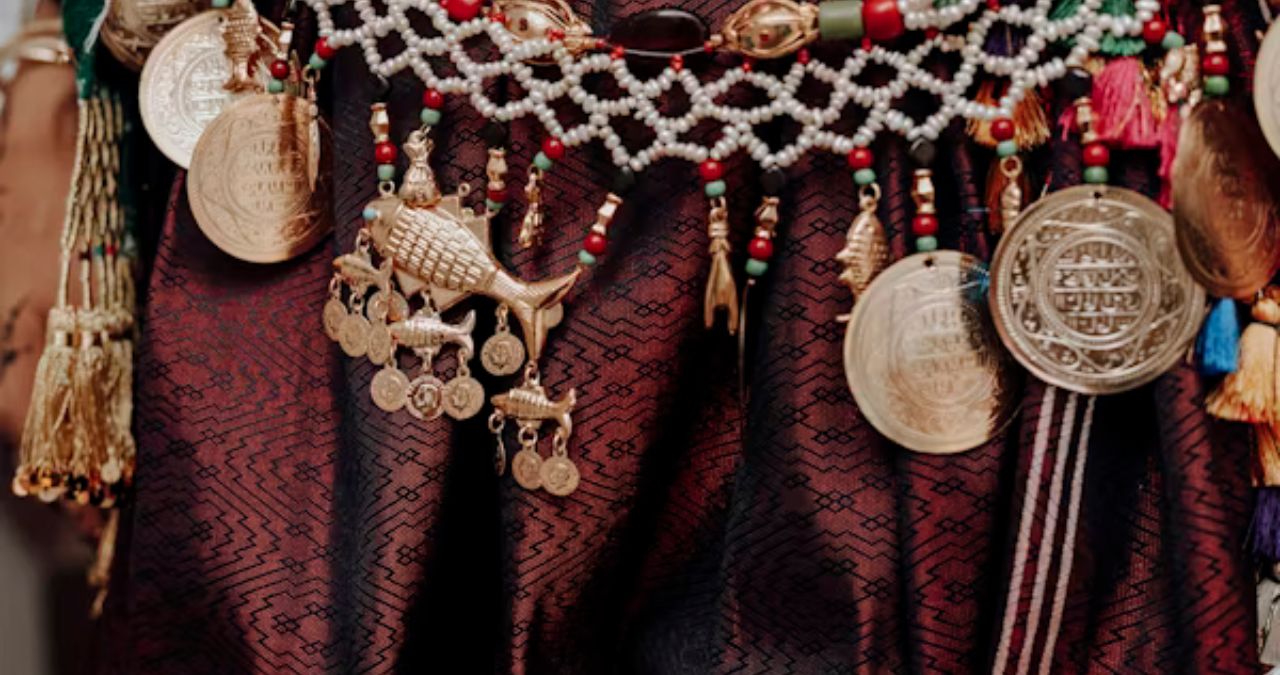
Language possesses an inherent magic, weaving meaning into symbols that transcend mere words. Among these powerful expressions, jewelry stands as a profound testament to cultural identity, cherished emotions, and enduring memories. The phrase “Esclava de Oro,” literally translating from Spanish as “golden slave,” might initially strike one as perplexing, even provocative. Yet, beneath its seemingly paradoxical surface lies a rich tapestry of history, deep-rooted tradition, and heartwarming modern reinterpretations.
Far from its literal implication, the Esclava de Oro today represents much more than a simple adornment in many Spanish-speaking cultures. It is a treasured piece of jewelry, a symbol of connection, protection, and continuity that gracefully bridges generations. This comprehensive guide embarks on a journey to unravel the origins, evolution, and profound cultural interpretations of the Esclava de Oro – from its distinctive design and social relevance to its immense emotional and spiritual value. Whether you’ve encountered this term in reference to a stylish bracelet, a beloved family heirloom, or a poetic metaphor, prepare to illuminate every facet of this captivating concept.
Decoding the "Esclava de Oro" Paradox: From Literal to Lyrical
The term “esclava” in Spanish directly translates to “slave.” However, when juxtaposed with “de oro” (of gold) and applied to jewelry, its meaning transforms entirely. In Spanish-speaking cultures, particularly across Latin America, an “esclava” refers to a distinct style of bracelet, typically characterized by a flat gold plate or band. This beautiful accessory, commonly crafted from 14k or 18k gold, is a beloved gift, frequently bestowed upon children by their parents, and worn with immense pride.
The intriguing duality of "golden slave" versus "gold bracelet" is central to understanding the depth of this cultural artifact. While the literal translation might evoke images of restraint, its etymological roots in jewelry are thought to stem from the bracelet's design itself. The way it elegantly yet firmly encircles the wrist, perhaps reminiscent of historical cuffs or bangles, likely inspired the name. However, it’s crucial to emphasize that any negative connotations are entirely absent in its modern usage. Instead, the Esclava de Oro has blossomed into a powerful emblem of affection, guardianship, tradition, and the unbreakable bonds that tie families and communities together.
The Enduring Design and Craftsmanship of the Esclava de Oro
The design of an Esclava de Oro is at once distinctive, elegant, and deeply personal. While variations abound, several key elements define this iconic bracelet style. For a deeper dive into these elements, explore The Esclava de Oro Bracelet: Design, Materials, and Modern Significance.
- The Central Plate (Placa Central): The most recognizable feature is a flat metal surface, often rectangular or subtly curved, serving as the canvas for personalized engravings. This "placa" is where the bracelet truly tells its story.
- Personalized Engraving: Names, birth dates, significant anniversaries, or short, meaningful messages are meticulously etched onto the placa. This transforms a beautiful piece of jewelry into a unique, lifelong keepsake, carrying the weight of personal history and sentiment. Imagine a child’s name and birth date immortalized in gold, becoming a tangible link to their beginnings.
- Clasp and Chain Designs: The construction varies, catering to different wearers and preferences. Some Esclavas are rigid, much like traditional bangles, offering a sleek, continuous look. More commonly, they feature a secure clasp connected to a chain. These chains can range from delicate for infants to robust for adults. Popular chain styles include:
- Eslabón Cubano (Cuban Link): Known for its thick, interlocking, flat links, offering a bold and solid appearance, often favored for men and boys.
- Eslabón Valentino: A more intricate design, sometimes featuring a mix of three gold tones (yellow, white, rose), giving it a sophisticated and multi-faceted look.
- Eslabón Figaro: Characterized by alternating long and short flattened links, creating a classic and elegant rhythm, popular for both men and women.
- Eslabón Corazones (Heart Links): Chains crafted with interlocking heart shapes, often in three gold tones, chosen to symbolize love and affection, particularly for women and girls.
- Precious Materials: While "de oro" explicitly means "of gold," the specific type and purity vary. Yellow gold (14k or 18k) is the most traditional and prevalent, renowned for its timeless luster. However, modern designs also embrace white gold and rose gold, sometimes even combining all three tones for a striking contrast. For added luxury and significance, some Esclavas incorporate diamonds, birthstones, or other precious gemstones. The choice of 14k gold is popular for its balance of purity, durability, and affordability, making it ideal for everyday wear and cherished heirlooms.
More Than Adornment: Symbolism and Cultural Significance
The profound cultural legacy of the Esclava de Oro extends far beyond its aesthetic appeal. It embodies a rich tapestry of values, emotions, and traditions that are deeply woven into the fabric of many Spanish-speaking societies.
An Heirloom for Generations
Perhaps its most significant role is that of a family heirloom. An Esclava is often among the first pieces of jewelry a child receives, marking their entry into the world. It’s a common gift for baptisms, first communions, quinceañeras (15th birthday celebrations), graduations, or significant anniversaries. As it passes from parent to child, or grandparent to grandchild, it carries not just its monetary value but also the unspoken stories, hopes, and love of previous generations. Each scratch or imperfection on an aged Esclava can be seen as a testament to the life it has lived, connecting the wearer to their lineage.
A Symbol of Love and Protection
The bracelet's "binding" nature, once perhaps associated with its name, has been completely recontextualized into a powerful symbol of connection and protection. Giving an Esclava de Oro signifies a lasting bond, a promise of enduring love, and a desire to keep the wearer safe and cherished. It's a tangible expression of affection, a golden embrace worn on the wrist, constantly reminding the recipient of their special place in someone's heart.
Personal Identity and Storytelling
Through its personalized engraving, the Esclava becomes a unique extension of the wearer's identity. A name and birth date solidify one’s individuality, while a special message can reflect personal values or significant life events. It's a wearable biography, silently narrating a part of the wearer's journey. For many, it's not just jewelry; it's a piece of their personal history, a permanent marker of who they are and where they come from.
Cultural Pride and Continuity
Owning and wearing an Esclava de Oro is, for many, an act of cultural affirmation. It's a nod to tradition, a celebration of heritage, and a visible link to a shared cultural identity. It connects individuals to a broader community that understands and values its unique symbolism, reinforcing a sense of belonging and continuity across generations and geographical divides.
Choosing and Caring for Your Esclava de Oro
Acquiring an Esclava de Oro, whether for yourself or as a gift, is an investment in both beauty and sentiment. Here are some practical tips to guide your choice and ensure its longevity:
Selecting the Perfect Esclava
- Gold Purity (14k vs. 18k): 14k gold (58.3% pure gold) is highly popular for Esclavas due to its excellent balance of durability and purity. It's more resistant to scratches and dents than 18k gold, making it ideal for everyday wear, especially for children. 18k gold (75% pure gold) is purer, offering a richer yellow hue, but is softer and generally more expensive.
- Consider the Recipient: For children, prioritize durability and a secure clasp. Simpler, solid link styles like Cuban or Figaro are practical. For adults, aesthetic preferences, such as the intricacy of Valentino links or the romanticism of heart links, can guide the choice.
- Engraving Potential: Ensure the placa has sufficient space for the desired inscription. Discuss font styles and character limits with the jeweler.
- Authenticity: Always purchase from reputable jewelers. Look for hallmarks (e.g., "14K," "18K") stamped on the piece, which certify its gold purity.
- Chain Style: Think about lifestyle. A very delicate chain might not be suitable for someone with an active lifestyle. Solid links offer greater strength and longevity.
Maintaining Your Golden Treasure
- Regular Cleaning: Gold can dull over time from skin oils, lotions, and environmental factors. Clean your Esclava regularly with a soft cloth and a mild jewelry cleaner, or a solution of warm water and a few drops of dish soap. Gently scrub with a soft brush (like a baby toothbrush) and rinse thoroughly under clean water. Dry immediately with a lint-free cloth.
- Avoid Harsh Chemicals: Remove your Esclava before engaging in activities involving harsh chemicals (e.g., cleaning, swimming in chlorinated pools, using strong perfumes or hairsprays), as these can damage or tarnish the gold.
- Proper Storage: Store your Esclava in a soft pouch or a jewelry box with compartments to prevent scratching from other jewelry. Keep it in a dry place to avoid oxidation.
- Professional Check-ups: Periodically have your Esclava inspected by a professional jeweler, especially if it’s an heirloom or worn daily. They can check the clasp’s security, the integrity of the links, and polish the gold to restore its shine.
The Esclava de Oro, with its intriguing name and profound symbolism, stands as a vibrant testament to the power of cultural reinterpretation and the enduring value of personal connection. Far from its literal translation, this golden bracelet has evolved into a cherished emblem of love, protection, and identity across Spanish-speaking cultures. From its distinctive engraved plate to its varied chain styles and the precious gold it’s crafted from, each Esclava tells a unique story—a golden thread weaving together generations, memories, and an unbreakable legacy. It is more than just jewelry; it is a wearable piece of history, a silent guardian, and a brilliant celebration of life’s most meaningful bonds.